
When temperatures start to drop, homeowners want to know their furnace is ready to keep their home warm and comfortable throughout the winter. One of the most effective ways to ensure reliable performance is scheduling an annual furnace tune-up. However, many homeowners wonder how much time they need to set aside for the appointment.
The good news is that most furnace tune-ups can be completed relatively quickly while providing significant benefits for your heating system. Cross Country Mechanical is here to help you understand what happens during a tune-up. The factors that affect service time can help you plan ahead and appreciate the value of routine furnace maintenance.
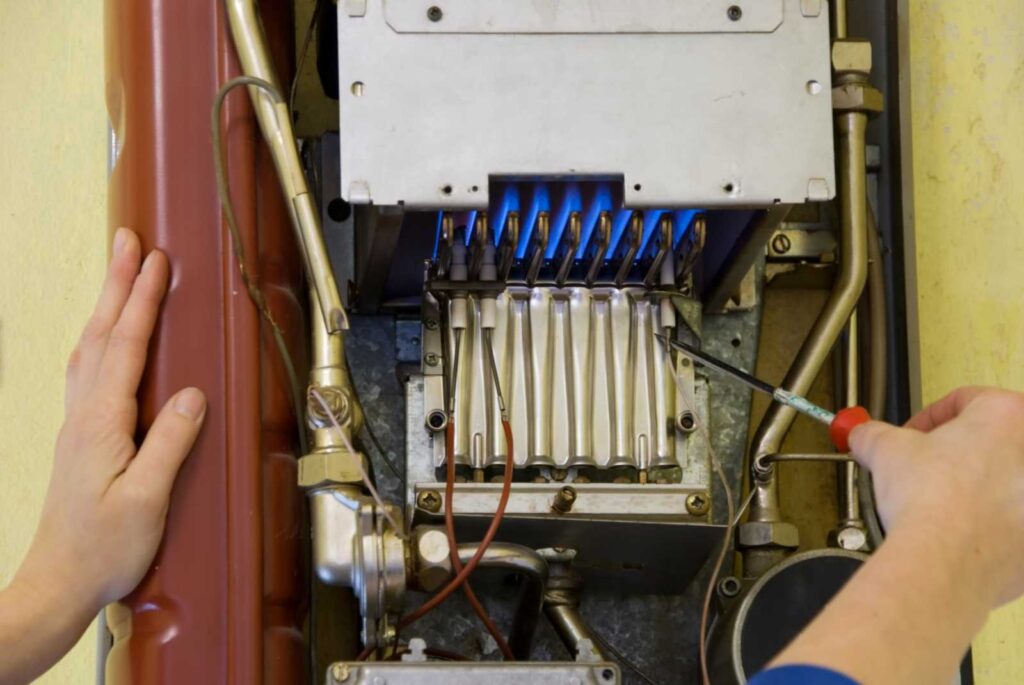
What to Expect During a Furnace Tune-Up
For most residential heating systems, a professional furnace tune-up takes between 60 and 90 minutes. However, the exact time can vary depending on the age, condition, and type of furnace being serviced. A newer furnace that has been regularly maintained may require less time because components are clean and operating properly. Older systems or furnaces that have not been serviced in several years may take longer due to additional cleaning, testing, or adjustments. If the technician discovers worn components, safety concerns, or performance issues during the inspection, additional time may be needed to discuss repair recommendations or complete necessary work.
What Is a Furnace Tune-Up?
A furnace tune-up service involves much more than simply changing a filter. The goal is to inspect, clean, test, and optimize your heating system to help ensure safe and efficient operation. A typical furnace tune-up may include:
- Inspecting the heat exchanger for signs of damage or wear
- Checking burners and cleaning components as needed
- Testing ignition and safety controls
- Examining electrical connections
- Measuring airflow and system performance
- Inspecting the blower motor and fan assembly
- Checking the thermostat for proper operation
- Evaluating fuel and combustion systems
- Replacing or inspecting air filters
- Testing carbon monoxide and other safety functions
- Looking for signs of excessive wear or future repair needs
Factors That Can Affect Furnace Maintenance Tune-Up Time
While most appointments fall within the 60-to-90-minute range, several factors can influence how long the service takes. Consider the following:
- Age of the Furnace – Older furnaces often require more detailed inspections because components may be worn or approaching the end of their service life. Additional cleaning and testing may also be necessary.
- Maintenance History – A furnace that receives annual maintenance is typically easier and faster to service. Systems that have been neglected may have dirt buildup, clogged filters, or other issues that require additional attention.
- Furnace Type – Different furnace models and heating systems have unique components and maintenance requirements. High-efficiency furnaces, for example, may require additional inspections of condensate lines and specialized components.
- Accessibility – If the furnace is located in a difficult-to-access area such as a cramped mechanical room or crawl space, the service may take slightly longer to complete.
- Existing Problems – If the technician discovers unusual noises, airflow issues, safety concerns, or failing parts during the tune-up, diagnosing those problems can extend the appointment time.
Why Annual Furnace Maintenance Is Worth the Time
Some homeowners wonder if a furnace tune-up is really necessary when their system appears to be working normally. In reality, preventative maintenance offers several important advantages:
- Improved Energy Efficiency – Dust, debris, and worn components can force your furnace to work harder than necessary. A tune-up helps restore efficiency and may reduce heating costs during the winter months.
- Better Reliability – Many furnace breakdowns occur because of issues that could have been identified during routine maintenance. Annual inspections help catch small problems before they become major repairs.
- Enhanced Safety – Gas furnaces contain components that should be inspected regularly to ensure safe operation. Professional maintenance helps identify potential hazards such as combustion issues, faulty safety controls, or damaged heat exchangers.
- Longer Equipment Lifespan – Like any mechanical system, a furnace tends to last longer when it receives regular care. Routine tune-ups help reduce wear and tear on critical components.
- Improved Comfort – A properly maintained furnace delivers more consistent heating, improved airflow, and better overall comfort throughout the home.
When Should You Schedule a Furnace Check-Up?
The best time to schedule furnace maintenance is during the late summer or early fall before the heating season begins. This allows technicians to identify and address any issues before colder temperatures arrive. Scheduling maintenance early also helps avoid the busy season when many homeowners begin using their furnaces and discover unexpected problems.
Even if winter has already started, it’s never too late to have your furnace inspected. Maintenance can still improve efficiency, reliability, and safety throughout the remainder of the heating season.
Signs Your Furnace May Need More Than a Tune-Up
Sometimes a routine tune-up reveals larger issues that require repair or replacement. Contact our professionals if you notice:
- Unusual noises during operation
- Frequent cycling on and off
- Uneven heating throughout the home
- Rising energy bills
- Poor airflow from vents
- Yellow burner flames instead of blue
- Difficulty maintaining desired temperatures
Schedule Your Furnace Tune-Up With Cross Country Mechanical
At Cross Country Mechanical, our experienced technicians provide thorough furnace inspections and maintenance services designed to keep your home comfortable throughout the winter. Contact us today to learn about our furnace tune-up checklist and ensure your heating system is ready for whatever the season brings.